 Slab and Frame
The slab-making workroom.
Choose the roller or the surface around the sheet you intend to make.
| Equipment | Working width | Thickness choices | Equipment amount |
|---|---|---|---|
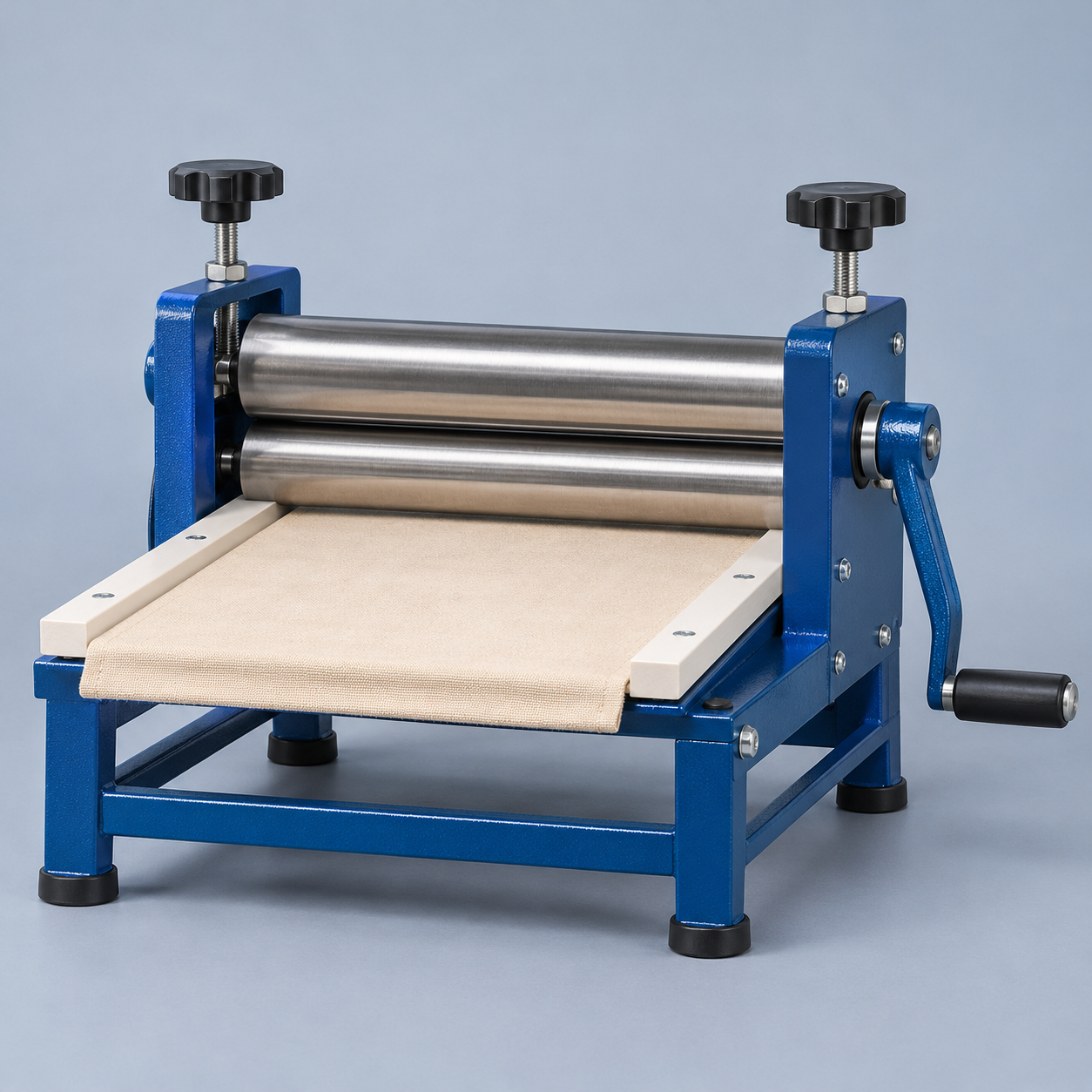 A compact hand-cranked slab roller for a tabletop clay station. Twin rollers compress clay between canvas sheets, while the support boards keep the feed level. The four-hundred-millimetre working width is a planning limit for the slab, not the total space needed around the machine. Leave room for the handle and outgoing clay. | 400 mm | 2–20 mm | $549.00 |
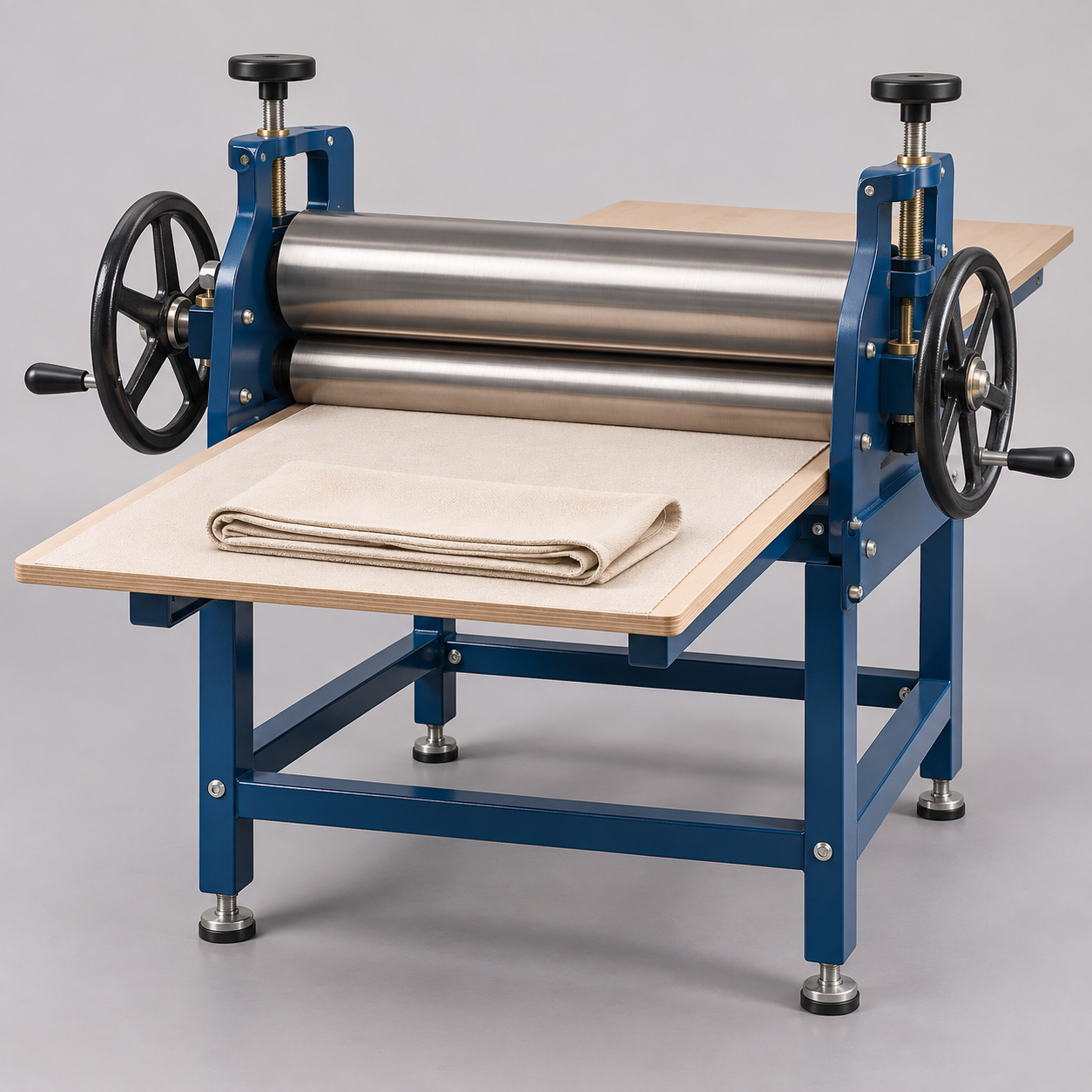 A wider studio roller with its own support frame for clay sheets up to five hundred millimetres across. Side adjustments set the roller clearance and a hand crank feeds the canvas. The extended support surface helps keep a larger slab level. Clay consistency, canvas and handling influence the finished thickness, so verify the actual sheet before cutting forms. | 500 mm | 2–25 mm | $849.00 |
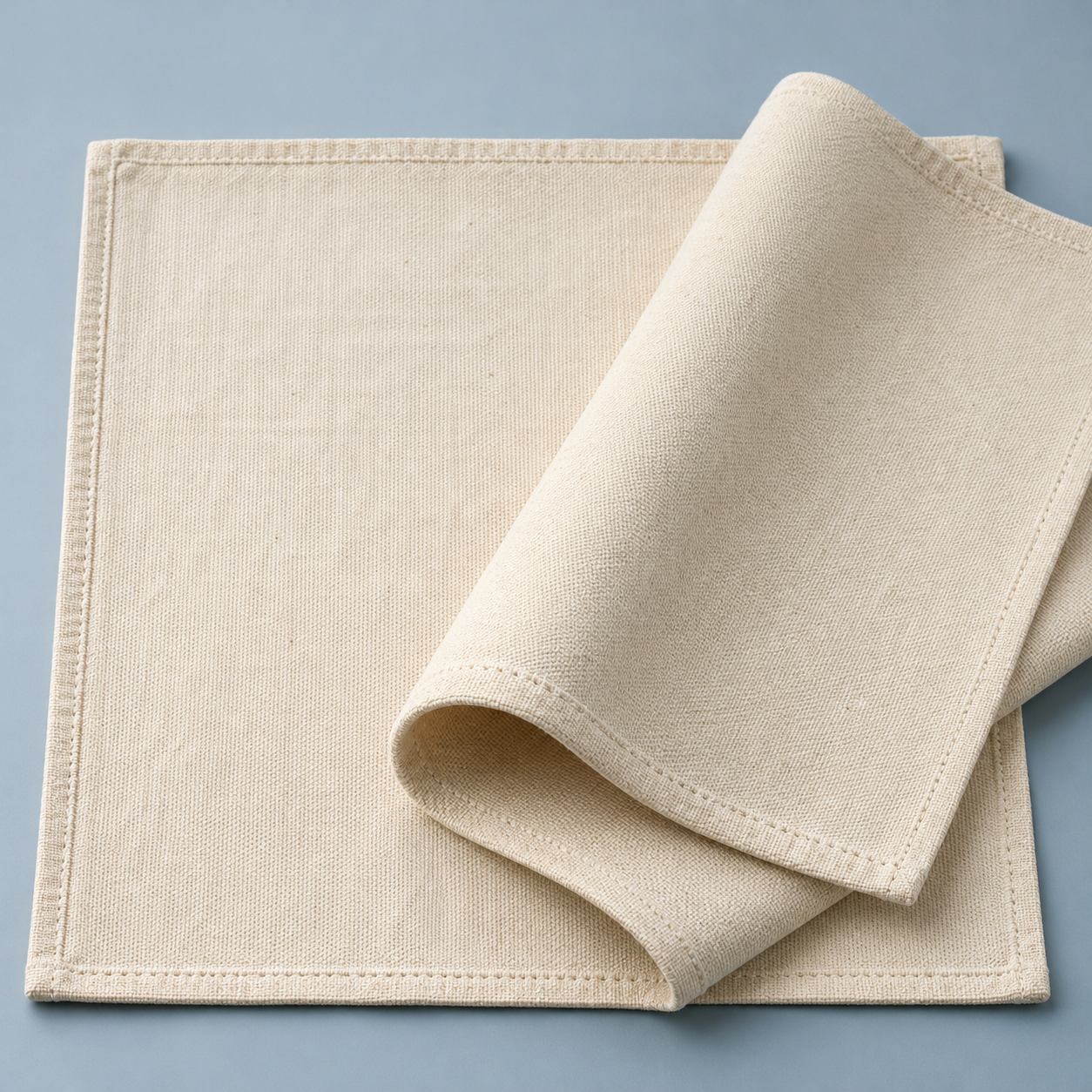 Two woven cotton canvas sheets for separating a planned slab from the roller and support surface. Each sheet measures four hundred by six hundred millimetres. Keep the slab within those dimensions and allow handling room at the edges. This is a replacement surface, not a roller mechanism or a guarantee of compatibility with every machine. | 400 mm | No adjustment; surface sheets | $29.00 |
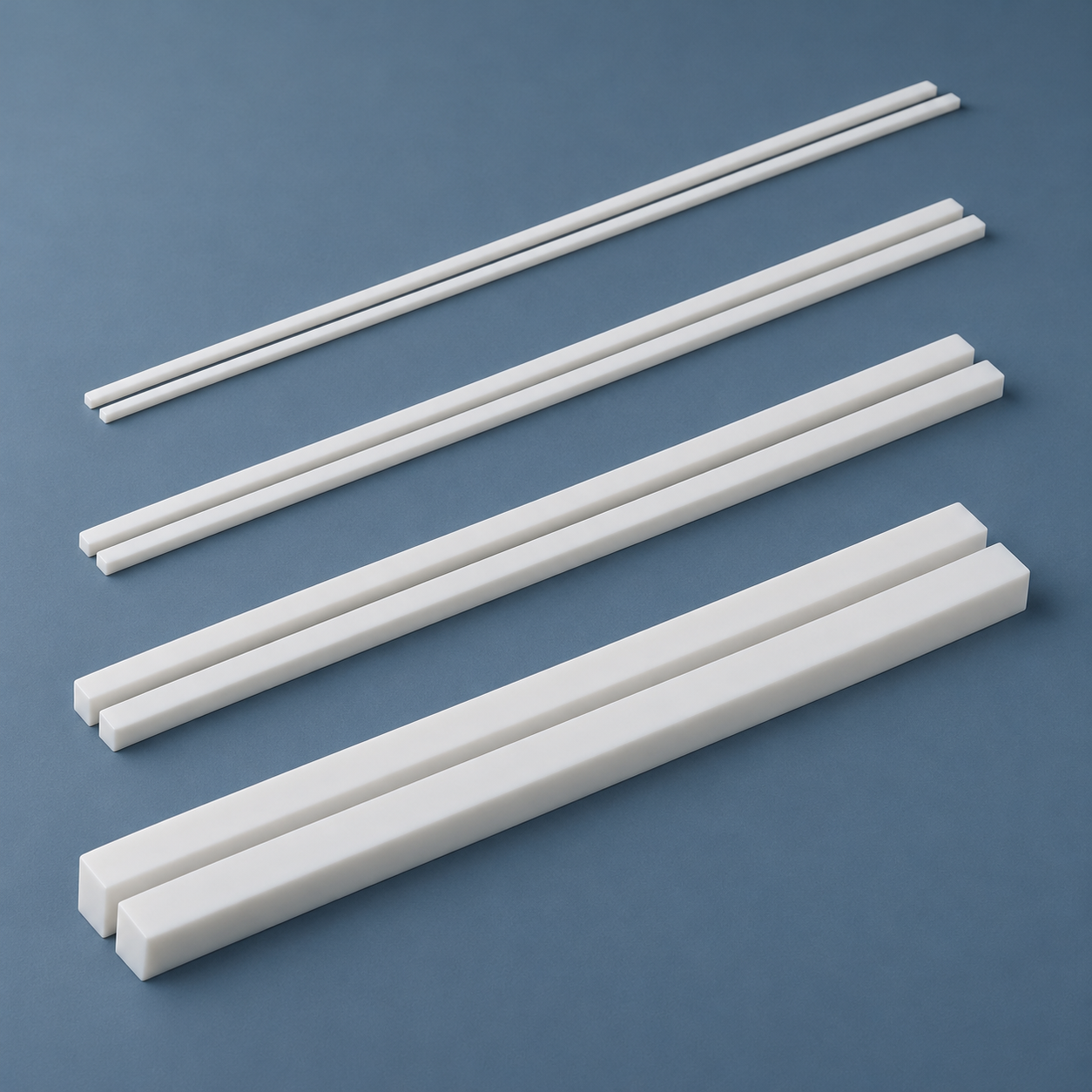 Four pairs of rigid guide rails for hand rolling clay to selected nominal thicknesses. Place a matched pair beside the clay and run an appropriate hand roller across them. These rails are used on a flat board; they are not inserted into the powered or hand-cranked mechanism of a slab roller. | 450 mm | 3 / 6 / 9 / 12 mm | $39.00 |